contact@exquando.com
 +32 (0)470 / 122 148
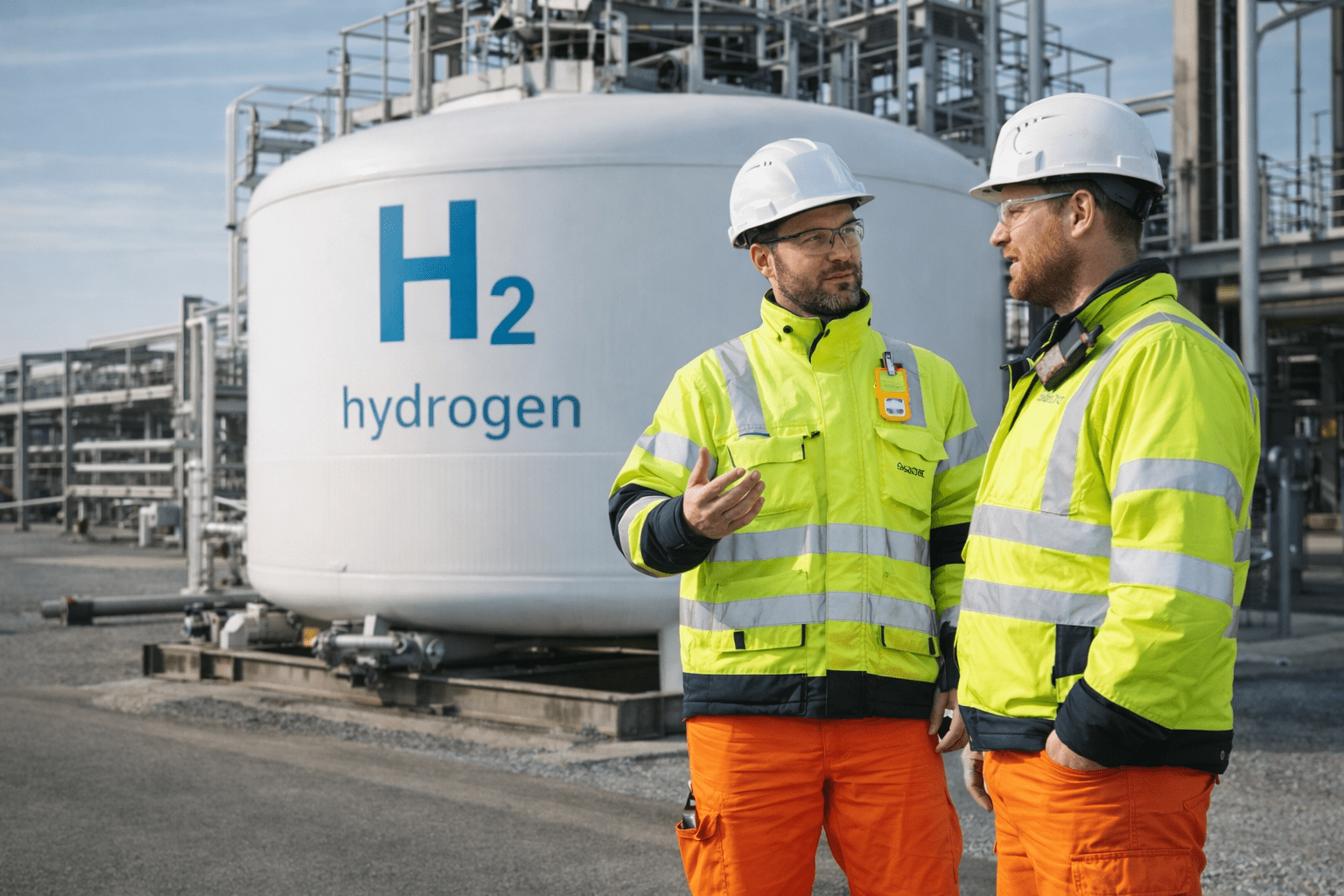
Technical document management for critical infrastructure : The Fluxys case
Managing large volumes of technical documentation in critical infrastructure requires more than tools. Discover how Fluxys structured its document management to improve reliability, efficiency and control.

Fluxys is a Belgium-based energy infrastructure company specialising in the transmission and storage of natural gas and LNG.
It operates critical infrastructure that ensures the secure and efficient flow of energy across Europe, while also supporting the transition to low-carbon solutions such as hydrogen and CO₂ networks.
Objectives
As an operator of critical gas infrastructure, Fluxys manages a large volume of technical documentation related to pipelines and installations. In this environment, documentation directly impacts safety, operations and decision-making.
- Several key challenges had to be addressed: Ensuring full traceability of documents: Engineering teams needed to be certain they were always working with the latest validated versions. Any doubt on document status could lead to operational risks.
- Standardising document management practices: Document creation, classification and archiving were not consistently applied, making it difficult to maintain a reliable and shared structure.
- Improving validation workflows: Review and approval processes were time-consuming and relied heavily on manual checks, creating delays and increasing the risk of errors.
Solutions
Exquando supported Fluxys in implementing a structured and controlled technical document management approach, reinforced by clear governance rules. Key elements included:
- Definition of a strict document management framework: Clear rules were established for classification, metadata and validation cycles, ensuring consistency across the organisation.
- System integration to control the document lifecycle: SDx (SmartPlant Foundation) was implemented and connected to Documentum. Only documents meeting validation and metadata requirements can be published, ensuring full control.
- Automation of workflows: Validation and publication processes were structured and automated to reduce manual intervention and improve reliability. Continuous quality monitoring: A documentation health check process was introduced to monitor data quality and ensure long-term consistency.
Systems used
- SDx (SmartPlant Foundation) from Hexagon
- Documentum : archiving and document access

Benefits
- Reliable documentation in daily operations: Teams now work with validated and up-to-date documents, reducing uncertainty and operational risk.
- Faster access to information: Improved metadata and structured workflows allow users to quickly find the right document.
- Reduced errors and rework: Clear validation rules eliminate ambiguity and reduce costly mistakes.
- Consistent practices across teams: The defined framework ensures that document management rules are applied in the same way across the organisation.
Fluxys now benefits from a structured and reliable technical document management approach, supported by strong governance and embedded control mechanisms. A solid foundation to support both operational efficiency and long-term infrastructure management.
Managing large volumes of technical documentation in critical infrastructure requires more than tools. Discover how Fluxys structured its document management to improve reliability, efficiency and control.
In an academic environment where information volumes are constantly increasing, structuring document management becomes a key challenge to ensure efficiency, collaboration and compliance.

Facing increasing difficulties among its teams to retrieve the information they needed, the Belgian Red Cross asked Exquando to help clarify the situation. Through an audit and participatory workshops conducted on site, concrete improvement opportunities emerged.
As part of a digital transformation project, the City of La Louvière and its CPAS wanted to improve the quality of their data and define the responsibilities linked to their management.
Apragaz sought to optimise its document management in order to improve the efficiency of its processes, reduce errors, save time and increase customer satisfaction.
When D’Ieteren Immo was created from D’Ieteren’s Facility Management department, a new infoSystem had to be implemented. The objective is to allow users to easily find and identify the correct version of documents.
Cefora wanted to clarify the function of their various document management systems and optimise their use by facilitating the search, and ensure the sustainability of documents, as well as improve their correct communication while respecting the corporate culture.
The VOO Call Center was looking to implement a knowledge management solution to increase response speed and quality service by making all the essential knowledge needed to resolve incidents easily available to users.
Wallonie Entreprendre's teams were having difficulty finding their documents. They were also seeking to ensure a transition to digital technology, improve secure access to documents, and optimise the content of their general document database.